Listening to "Dear Prudence" on WPR's Throwback Thursday. Song from the Beatles White Album. Not sure if I bought the White Album but listened to it a thousand times. Many of the songs were in the movie "Across the Universe," a movie that tugged at the nostalgia that comes with the 1960s.
Beautiful morning here in the High Plains. Heard some good news yesterday. The Cheyenne Botanic Gardens Conservatory opens for business on June 2. Only the ground floor will be open. Each group gets an hour to tour so more people can visit. Not sure how we're supposed to time them. "All right, people. Scram. Your hour's up. Vamoose!" Still, it shows a slight return to normalcy. I've been in touch with the staff over the shutdown. Talked to Amelia to see if we could arrange an August literary reading at the Conservatory. Amelia said that she's not booking anything new for the summer. They are going to rent out rooms for paying customers but nothing new until fall. Rick Kempa of Rock Springs asked me to schedule a summer reading for his new book and mine. I will try the library.
Masked up yesterday and ventured out to Lowe's to buy some plants and replace a window screen. I got the plants but no screen. I did get my money back. I had to wait in line six feet behind the first customer. Two people behind me. My cart was filled with plants, herbs and a few veggies, and some potting soil. The clerk, not happy, gave me my money back and pointed out the aisle where I could find screens if there were any. There weren't. Did find some twine to make a trellis for my herb rack. Trying to do everything on the cheap in this pandemic year. I planted herb seeds in egg cartons and then into pots. But two weeks later and no sprouts. The egg carton approach does not work for me. The soil and the egg carton gets soggy and I think it damages the seeds. Anyway, as I dug up the transplants yesterday there were no seedlings there, nothing of anything. I replaced the nothing with something. I had requested the free seeds from the library seed bank and thought I would be growing my garden from scratch this year. The other day I did plant seeds for cukes, pea pods, and pole beans and am waiting for them to sprout. I have two growing racks on the back porch that get full morning and early afternoon sunshine. I'll be doing more transplanting today.
Local business are opening up. A new downtown craft brewery opened on Monday. Black Tooth Brewery's second location -- its first in downtown Sheridan. During my work travels I visited the Sheridan site and liked it. Sheridan has a neat downtown with lots of indie businesses. Great coffee shop that I frequented when I was at the Jentel Foundation writing a novel that I am now going to finish. The pandemic has been deadly for indie businesses and reviving downtowns. Trends for the last decade have been toward gathering places most located in downtowns that had seen better days and were trying to come back. Black Tooth is the fourth microbrewery in downtown Cheyenne. They've been closed since March 18 except for takeout and the brewing of hand sanitizer. Chronicles Distillery downtown made lots of hand sanitizer and I bought nine spray bottles since none could be found in the grocery stores. Chronicles donated most of their supply to health workers, hospitals and clinics. Then they started peddling the goods to the citizenry. I ordered online and then pulled up outside for the exchange of the goods. Other customers were ordering some of the locally brewed whiskey and vodka which is a whole different kind of sanitizing..
Chris, Annie and I will attend a concert and drive-in movie Saturday night at the Terry Bison Ranch. Tickets for each car were $25 and we registered online. Must stay in our cars which may be a challenge for those of us of a certain age who need to pee. Not sure how we will manage. Might have to leave mid-way through "Back to the Future."
It's ugly on the national scene. Our ugly president wants to reopen the economy no matter how many people it kills. 93,000-plus have died in the U.S., and there are probably many more that went uncounted. The U.S. leads the world in confirmed cases. There's been no direction from the federal government and that's a crime that Trump and the G.O.P. will have to answer for it at the ballot box. Trump is trying to prevent people from voting by mail but this is a state responsibility and not a federal one. Democratic Party-led states are having none of the president's blather and neither am I. I ordered a mail-in ballot and plan to use it. The better the turnout the more likely it is that we can get rid of the criminal element in D.C.
Chris, Annie and I continue to take safety precautions. Annie wears a mask during her shifts at Big Lots. Chris and I wear masks going out and if someone needs to come in the house.
Wyoming reports 11 deaths statewide with more than 500 confirmed cases. The worst hot spot is on the Wind River Reservation in Fremont County. The Navajo Nation in Arizona has more per capita cases than New York and New Jersey, the epicenters of the virus. Very sad. Minority communities in urban centers are being hit hard. All of this points out the many holes that exist in our slapdash health care system. And did I mention that the GOP-led feds are clueless in the face of a national emergency?
Showing posts with label business. Show all posts
Showing posts with label business. Show all posts
Thursday, May 21, 2020


Saturday, March 30, 2019
Cheyenne girds its loins for first boom since Hell on Wheels
I am surrounded by nuclear missiles. They lurk in their hidey-holes on the rolling prairie of Wyoming, Nebraska and Colorado. I give little thought to them on most days. I sometimes drive past F.E. Warren AFB's main gate and see the three Cold War missiles that greet passers-by. Convoys of missileers pass me on the highway on their way to their `24-hour shifts underground. A recent CBS 60 Minutes piece spoke of the antiquated launch equipment at Warren. This gave me pause, as "antiquated equipment" is not a term you want to associate with our nuke strike force. It's bad enough when films of the 1960s scared us with untoward nuke launches. Col. Jack D. Ripper went a little funny in the head and plunged us into a celluloid Armageddon. While the fail-proof fail safe system showed its flaws, our bomber crews carried out their mission. And the Russkis Doomsday Machine went off without a hitch.
So, when 60 Minutes showed that our local launch equipment is falling apart, that our airmen and airwomen are using computers from the Stone Age to take care of Space Age missiles, the Pentagon sprang into action.
It's a good thing that the U.S. Government is funneling taxpayer dollars ($90 billion) to Boeing and Northrup-Grumman to modern our nuclear capabilities. Cheyenne is agog that at least $5 billion of that will be spent locally. Boeing, one of the contractors, will hold a meeting April 11 for businesses "to learn about program support and Boeing supplier needs." N-G cannot be far behind with its own round of meetings..
I scrolled through the Ground Based Strategic Deterrent web site -- GBSD Bound. In flowing language, the writers describe the past, present and future of this program. The Chamber eloquently supports all this. The future's so bright, I gotta wear shades. Really good shades, as the flash of a thermonuclear fireball can melt the eyeballs.
It is good news for Cheyenne. Our capital city has experienced incremental growth the past five years. Many here say that this is the spillover effect from Colorado's boom. Cheyenne is the northern terminus to the Front Range. As such, it benefits when billions are being invested into infrastructure and businesses in Fort Collins, Denver, and Colorado Springs. That same boom has caused Coloradans to question their devotion to a Denver filled with overpriced housing, crazy traffic, and herds of shaggy hipsters roaming the territory as bison once did prior to 1859. "This isn't the Colorado I knew" is a common refrain among family and friends in the Centennial State. They ponder moves to the wide-open spaces of Wyoming and Montana and Idaho if only someone would buy their two-bedroom house for $500,000 and some visionary start-up would pay them bundles of cryptocurrency to telecommute from Laramie. The cryptocurrency/blockchain thing is no joke. Our legislature has passed a dozen bills in support of this as-yet unproven e-currency but is scared shitless with the thought of brown or transgender people moving into their neighborhood. And damn that federal gubment (except when it brings $5 billion to town).
Despite my peacenik roots, I am fond of missiles and rockets. My father fed his large family by planting ICBM sites through the West. He worked as a contract specialist with the Martin Company, later Martin-Marietta. He didn't so much build the sites as find reliable people to do so. He later did the same job in Florida for the space program, helping get Neil Armstrong to the moon in 1969, the year I graduated from high school. I saw Apollo 11 blast off. I canoodled with my girlfriend on the beach as we listened to the crackly car radio announce that "The Eagle Has Landed." My brother Dan and I spent our childhood building missile models and memorized all the names of the U.S. arsenal. I read all the Tom Swift books, in which rocketry played a key part. I watched Sputnik arc across the night sky. We were looking up, all of us. We did it together, maybe the last time that Americans were together on any one thing.
As we revamp our nukes, we are faced with new problems. The main one is in the White House, Donald Trump, buddy of the old Soviet spy who runs Russia. We have the North Koreans and Iranians. Saudi shenanigans. Dirty bombs from terrorists. Clean bombs from China. "Paranoia strikes deep/Into your life it will creep/It starts when you're always afraid/You step out of line, the man come and take you away."
We've come a long way from the so-called peace dividend we expected with the fall of the Soviet Union in 1989. Remember that?
Cheyenne hasn't been a boom town since the Iron Horse rolled into town and Hell on Wheels was born. Its incredible growth back then earned it the nickname of "Magic City of the Plains."
Let's hope we're ready for this boom.
So, when 60 Minutes showed that our local launch equipment is falling apart, that our airmen and airwomen are using computers from the Stone Age to take care of Space Age missiles, the Pentagon sprang into action.
It's a good thing that the U.S. Government is funneling taxpayer dollars ($90 billion) to Boeing and Northrup-Grumman to modern our nuclear capabilities. Cheyenne is agog that at least $5 billion of that will be spent locally. Boeing, one of the contractors, will hold a meeting April 11 for businesses "to learn about program support and Boeing supplier needs." N-G cannot be far behind with its own round of meetings..
I scrolled through the Ground Based Strategic Deterrent web site -- GBSD Bound. In flowing language, the writers describe the past, present and future of this program. The Chamber eloquently supports all this. The future's so bright, I gotta wear shades. Really good shades, as the flash of a thermonuclear fireball can melt the eyeballs.
It is good news for Cheyenne. Our capital city has experienced incremental growth the past five years. Many here say that this is the spillover effect from Colorado's boom. Cheyenne is the northern terminus to the Front Range. As such, it benefits when billions are being invested into infrastructure and businesses in Fort Collins, Denver, and Colorado Springs. That same boom has caused Coloradans to question their devotion to a Denver filled with overpriced housing, crazy traffic, and herds of shaggy hipsters roaming the territory as bison once did prior to 1859. "This isn't the Colorado I knew" is a common refrain among family and friends in the Centennial State. They ponder moves to the wide-open spaces of Wyoming and Montana and Idaho if only someone would buy their two-bedroom house for $500,000 and some visionary start-up would pay them bundles of cryptocurrency to telecommute from Laramie. The cryptocurrency/blockchain thing is no joke. Our legislature has passed a dozen bills in support of this as-yet unproven e-currency but is scared shitless with the thought of brown or transgender people moving into their neighborhood. And damn that federal gubment (except when it brings $5 billion to town).
Despite my peacenik roots, I am fond of missiles and rockets. My father fed his large family by planting ICBM sites through the West. He worked as a contract specialist with the Martin Company, later Martin-Marietta. He didn't so much build the sites as find reliable people to do so. He later did the same job in Florida for the space program, helping get Neil Armstrong to the moon in 1969, the year I graduated from high school. I saw Apollo 11 blast off. I canoodled with my girlfriend on the beach as we listened to the crackly car radio announce that "The Eagle Has Landed." My brother Dan and I spent our childhood building missile models and memorized all the names of the U.S. arsenal. I read all the Tom Swift books, in which rocketry played a key part. I watched Sputnik arc across the night sky. We were looking up, all of us. We did it together, maybe the last time that Americans were together on any one thing.
As we revamp our nukes, we are faced with new problems. The main one is in the White House, Donald Trump, buddy of the old Soviet spy who runs Russia. We have the North Koreans and Iranians. Saudi shenanigans. Dirty bombs from terrorists. Clean bombs from China. "Paranoia strikes deep/Into your life it will creep/It starts when you're always afraid/You step out of line, the man come and take you away."
We've come a long way from the so-called peace dividend we expected with the fall of the Soviet Union in 1989. Remember that?
Cheyenne hasn't been a boom town since the Iron Horse rolled into town and Hell on Wheels was born. Its incredible growth back then earned it the nickname of "Magic City of the Plains."
Let's hope we're ready for this boom.
Sunday, November 04, 2018
Part X: The Way Mike Worked -- The Passing Parade
I can't remember The Retiree's name. He had worked in my division, Information Services, at Denver's Gates Rubber Company, before I arrived on the scene in 1983. He came by occasionally to visit the other old-timers. At 32, I was part of the younger cohort stepping into their shoes as they gradually marched off into the horizon. My parents' generation, the generation that weathered major cataclysms to give birth to many children and kick-start the post-war economy.
Sometimes The Retiree came for lunch at the corporate cafeteria. One afternoon, I came across him in the lobby. He recognized me, invited me to sit in the comfy chair next to him. We watched as the corporate parade passed. The Retiree gestured to a middle-aged guy he used to work with.
"Wanted to buy a sailboat and circumnavigate the globe," The Retiree said.
The guy worked in my department. "Did he do it?"
"What do you think?"
I thought no, he did not.
We chatted some more. He spotted a woman he knew. She walked over to say hi. "Hi," she said.
They exchanged pleasantries. He asked if she was still making fantastic cakes.
"Not as much. Julie moved back home with her two kids. I do a lot of babysitting." She seemed a bit embarrassed. When she went back to work, The Retiree explained.
"She made the cakes for employee birthdays. You had to get there early -- guys stampeded to the break room. Fights broke out to get that last piece of three-layer devil's food cake." He got a faraway look. "I still dream about it."
"That good?"
"Better. Yeah, she was going to open her own bake shop. But she didn't. One thing or another came up." He shrugged.
I sensed a theme developing.
"You know a lot of people," I said. "And their stories."
"People tell their stories all the time. You just have to listen." He paused. "What you pay attention to makes the difference."
Another guy walked by. We called him The Actor. He just played Sweeney Todd for a local theatre and got to murder a bunch of obnoxious people whose meaty parts were made into pies. He was talented and drank a bit.
"I worked with him for a few years," The Retiree said. "He went out to Hollywood for awhile. He probably told you that."
"Not a word."
"He had a few bit parts. Played a dead guy in a soap opera."
"So I work in the graveyard of broken dreams?"
He laughed. "Beware." With that, he took off, probably to take a nap. I went back to work to ponder my future.
The above conversation is fictional. You can probably tell because the exchange rolls so trippingly off the tongue. As if it were a scene from a play or novel. That's something a fiction writer can do when blogging. If I was trying to write, say, a memoir, I would have to let you know that I was reconstructing the dialogue because there was no way I could remember what was said verbatim more than 30 years ago. What I can do is recall the feeling I had when sitting in the lobby with The Retiree. Holy Shit, if I don't watch out, I could end up like this endless retinue of sad sacks going back to work in the rubber mines. On some days, I was already there.
It would be rare to find a kid that says he or she wants to grow up to write paeans to industrial rubber hoses. Yet, there are a surprising number of us who grow up to sing the praises of hoses or cars or computers or paper products. We want to be something else but, as the saying goes, a job, any job, pays the rent. In 1983, I was approaching 33, was married, and tired of living on a prayer. I wanted to land a job that entailed some writing, and that's when I began looking for jobs with big companies.
At Gates, I did know The Retiree I quote at the beginning of this piece. I knew many of them. I photographed scores of retirement parties, took a lot of employee anniversary shots. Lots of grip-and-grin shots of a VP congratulating a union guy who had spent the last 30 years making radiator hoses in the deepest darkest confines of the ancient factory. The cavernous work rooms were loud and covered in carbon black, the ingredient that blackens your hoses and fan belts. It was everywhere -- on the walls and floor and machinery. It was in and on the machines. It was on the employees and their work clothes. When I ate lunch with my female coworkers, they always grabbed extra napkins so they could wipe the carbon black off of the seats less their dresses get streaked black. I followed their example until I noticed that the union guys watched us. We were literally trying to wipe away their presence. I was a writer supposed to know a metaphor when I saw it.
I eventually saw it.
I left the corporate world for academia in 1988. We sold our house that we bought with money from rubber writing. I could walk to work. Now, when I'm in Denver and I drive down South Broadway, I see that corporate HQ now bears a different company logo. Across the street, the massive factory is gone. After Gates abandoned it and it turned into a magnificent ruin, urban explorers made it their playground. Replacing it are rows of modern condo complexes for the new crop of college graduates eager for the Mile High lifestyle. They can catch the light rail at the hub at the corner, where the Gates garage once fixed employee cars at a reduced rate. The company clinic and grocery store are no longer there. "The song "16 Tons" says "I owe my soul to the company store. That wasn't exactly the case, as it was just convenient to shop at the company store. This wasn't Appalachia during the Great Depression. But it was the ending of a certain type of employment. Chris and I paid nothing for an emergency Cesarean and seven days in the hospital for mother and son. All the prenatal and postpartum appointments were free. A billion-dollar privately-owned company in a booming economy could be generous. Every employee's kid got a free gift at the annual Christmas party and rode the Lakeside rides for free at the summer picnic.
It sounds good. But Gates was already building factories in right-to-work states and overseas. The ranks of the URW were beginning to decline. A new health care plan was in the works and a fully-funded retirement plan was being replaced by a 401(K). I know because my department was tasked with explaining the changes to employees who weren't always appreciative when being lied to. The new century approached. Technology would save us all. The international open market would signal a new golden age. Reagan said so.
The first short story I wrote in my CSU M.F.A. writing workshop was called "Who Needs Fedder?" It concerned a young corporate guy who chronicles the travails of his co-worker Fedder when he quits the corporate softball team. He quickly became a non-person, like Doc Daneeka in Catch-22. The story seemed outlandish to my younger classmates. The older ones thought it said a lot about people they had known in the corporate world or in the military. The story was published in 1990 in Bob Greer's High Plains Literary Review in Denver. I never knew what my former Gates colleagues thought about the story as I lost touch over the years. Now they're all retirees like me, reminiscing about those glory days.
You can read "Who Needs Fedder" in my book of stories, The Weight of a Body. It's out of print, but I'll find the file and link it to this post. I will reread it, just to find out what this writer thought of his corporate career.
Sometimes The Retiree came for lunch at the corporate cafeteria. One afternoon, I came across him in the lobby. He recognized me, invited me to sit in the comfy chair next to him. We watched as the corporate parade passed. The Retiree gestured to a middle-aged guy he used to work with.
"Wanted to buy a sailboat and circumnavigate the globe," The Retiree said.
The guy worked in my department. "Did he do it?"
"What do you think?"
I thought no, he did not.
We chatted some more. He spotted a woman he knew. She walked over to say hi. "Hi," she said.
They exchanged pleasantries. He asked if she was still making fantastic cakes.
"Not as much. Julie moved back home with her two kids. I do a lot of babysitting." She seemed a bit embarrassed. When she went back to work, The Retiree explained.
"She made the cakes for employee birthdays. You had to get there early -- guys stampeded to the break room. Fights broke out to get that last piece of three-layer devil's food cake." He got a faraway look. "I still dream about it."
"That good?"
"Better. Yeah, she was going to open her own bake shop. But she didn't. One thing or another came up." He shrugged.
I sensed a theme developing.
"You know a lot of people," I said. "And their stories."
"People tell their stories all the time. You just have to listen." He paused. "What you pay attention to makes the difference."
Another guy walked by. We called him The Actor. He just played Sweeney Todd for a local theatre and got to murder a bunch of obnoxious people whose meaty parts were made into pies. He was talented and drank a bit.
"I worked with him for a few years," The Retiree said. "He went out to Hollywood for awhile. He probably told you that."
"Not a word."
"He had a few bit parts. Played a dead guy in a soap opera."
"So I work in the graveyard of broken dreams?"
He laughed. "Beware." With that, he took off, probably to take a nap. I went back to work to ponder my future.
The above conversation is fictional. You can probably tell because the exchange rolls so trippingly off the tongue. As if it were a scene from a play or novel. That's something a fiction writer can do when blogging. If I was trying to write, say, a memoir, I would have to let you know that I was reconstructing the dialogue because there was no way I could remember what was said verbatim more than 30 years ago. What I can do is recall the feeling I had when sitting in the lobby with The Retiree. Holy Shit, if I don't watch out, I could end up like this endless retinue of sad sacks going back to work in the rubber mines. On some days, I was already there.
It would be rare to find a kid that says he or she wants to grow up to write paeans to industrial rubber hoses. Yet, there are a surprising number of us who grow up to sing the praises of hoses or cars or computers or paper products. We want to be something else but, as the saying goes, a job, any job, pays the rent. In 1983, I was approaching 33, was married, and tired of living on a prayer. I wanted to land a job that entailed some writing, and that's when I began looking for jobs with big companies.
At Gates, I did know The Retiree I quote at the beginning of this piece. I knew many of them. I photographed scores of retirement parties, took a lot of employee anniversary shots. Lots of grip-and-grin shots of a VP congratulating a union guy who had spent the last 30 years making radiator hoses in the deepest darkest confines of the ancient factory. The cavernous work rooms were loud and covered in carbon black, the ingredient that blackens your hoses and fan belts. It was everywhere -- on the walls and floor and machinery. It was in and on the machines. It was on the employees and their work clothes. When I ate lunch with my female coworkers, they always grabbed extra napkins so they could wipe the carbon black off of the seats less their dresses get streaked black. I followed their example until I noticed that the union guys watched us. We were literally trying to wipe away their presence. I was a writer supposed to know a metaphor when I saw it.
I eventually saw it.
I left the corporate world for academia in 1988. We sold our house that we bought with money from rubber writing. I could walk to work. Now, when I'm in Denver and I drive down South Broadway, I see that corporate HQ now bears a different company logo. Across the street, the massive factory is gone. After Gates abandoned it and it turned into a magnificent ruin, urban explorers made it their playground. Replacing it are rows of modern condo complexes for the new crop of college graduates eager for the Mile High lifestyle. They can catch the light rail at the hub at the corner, where the Gates garage once fixed employee cars at a reduced rate. The company clinic and grocery store are no longer there. "The song "16 Tons" says "I owe my soul to the company store. That wasn't exactly the case, as it was just convenient to shop at the company store. This wasn't Appalachia during the Great Depression. But it was the ending of a certain type of employment. Chris and I paid nothing for an emergency Cesarean and seven days in the hospital for mother and son. All the prenatal and postpartum appointments were free. A billion-dollar privately-owned company in a booming economy could be generous. Every employee's kid got a free gift at the annual Christmas party and rode the Lakeside rides for free at the summer picnic.
It sounds good. But Gates was already building factories in right-to-work states and overseas. The ranks of the URW were beginning to decline. A new health care plan was in the works and a fully-funded retirement plan was being replaced by a 401(K). I know because my department was tasked with explaining the changes to employees who weren't always appreciative when being lied to. The new century approached. Technology would save us all. The international open market would signal a new golden age. Reagan said so.
The first short story I wrote in my CSU M.F.A. writing workshop was called "Who Needs Fedder?" It concerned a young corporate guy who chronicles the travails of his co-worker Fedder when he quits the corporate softball team. He quickly became a non-person, like Doc Daneeka in Catch-22. The story seemed outlandish to my younger classmates. The older ones thought it said a lot about people they had known in the corporate world or in the military. The story was published in 1990 in Bob Greer's High Plains Literary Review in Denver. I never knew what my former Gates colleagues thought about the story as I lost touch over the years. Now they're all retirees like me, reminiscing about those glory days.
You can read "Who Needs Fedder" in my book of stories, The Weight of a Body. It's out of print, but I'll find the file and link it to this post. I will reread it, just to find out what this writer thought of his corporate career.
Saturday, January 25, 2014
Artspace comes to Cheyenne Jan. 29
Cheyenne's downtown needs help.
I'm not the first one to say that. The lead editorial in today's Wyoming Tribune-Eagle said it. So has our mayor, city council people and just plain folks such as you and that person standing next to you.
Artspace, by itself, doesn't have the only answer to a vital downtown. But it can help. And it's good to see action replace complaining.
This Minneapolis-based organization's mission "is to create, foster and preserve affordable space for artists and arts organizations." It has helped cities from Minot, ND, to Fort Lauderdale rehab old spaces into thriving live/work spaces for artists. On Valentine's Day in Loveland, CO, Artspace will be part of a ground-breaking for artist residences at the old Loveland Feed & Grain Building, part of new arts campus. Loveland once was known as Fort Collins' sleepy southern cousin. Then it carved out a niche as a hotbed for sculpture, and now it boasts a downtown focused on the arts.
The Cheyenne Downtown Development Authority and Arts Cheyenne propose to partner with Artspace to create downtown spaces for artists to live, work and collaborate. Plan to attend one of the meetings on Wednesday, Jan. 29, to share your ideas with Artspace, and to hear what the organization can do for our downtown.
Here are the public meetings:
11:45 a.m.: City Council and community leadership work session at the Historic Plains Hotel, 1600 Central Ave.
2 p.m.: Artists and arts organization focus group, Old West Museum, 4601 Carey Ave.
5:30 p.m.: Public meeting, Plains Hotel Ballroom.
The 2 and 5:30 p.m. meetings will include a summary of Artspace artist survey results, possible sites for Artspace in downtown Cheyenne, and PowerPoint loop presentation on arts organizations.
Not every Artspace visit leads to a project. As an Arts Council staffer, I attended an Artspace session in Casper that did not lead to a project. However, it started the ball rolling on the revitalization of the city's downtown and its adjacent Old Yellowstone Historic District. The Casper Artists' Guild has designs on an old downtown warehouse and is halfway to its fund-raising goal of a million dollars to purchase and rehab the structure which it will share with a business, possibly a brewpub. The Nicolaysen and the city and a private developer teamed up to replace a crime-ridden apartment complex with LEED-certified low-income housing units, a public plaza and a unique sculpture, with funding help from the National Endowment for the Arts.
I also attended the "Living Upstairs in Wyoming" conference in Sheridan which explored the city's thriving downtown and the trend toward transforming the upstairs units of those buildings into living spaces. Sheridan's downtown is also home to dozens of outdoor sculptures. Cheyenne could learn a lot from its northern neighbors.
Southern neighbors, too: Loveland, Fort Collins, Greeley. Yes, I know that Wyomingites are intensely proud of the state and profess a dislike for its neighbors, "The Greenies." But it's self-defeating to not use all the ideas we can find to reinvent our downtown.
I'm not the first one to say that. The lead editorial in today's Wyoming Tribune-Eagle said it. So has our mayor, city council people and just plain folks such as you and that person standing next to you.
Artspace, by itself, doesn't have the only answer to a vital downtown. But it can help. And it's good to see action replace complaining.
This Minneapolis-based organization's mission "is to create, foster and preserve affordable space for artists and arts organizations." It has helped cities from Minot, ND, to Fort Lauderdale rehab old spaces into thriving live/work spaces for artists. On Valentine's Day in Loveland, CO, Artspace will be part of a ground-breaking for artist residences at the old Loveland Feed & Grain Building, part of new arts campus. Loveland once was known as Fort Collins' sleepy southern cousin. Then it carved out a niche as a hotbed for sculpture, and now it boasts a downtown focused on the arts.
The Cheyenne Downtown Development Authority and Arts Cheyenne propose to partner with Artspace to create downtown spaces for artists to live, work and collaborate. Plan to attend one of the meetings on Wednesday, Jan. 29, to share your ideas with Artspace, and to hear what the organization can do for our downtown.
Here are the public meetings:
11:45 a.m.: City Council and community leadership work session at the Historic Plains Hotel, 1600 Central Ave.
2 p.m.: Artists and arts organization focus group, Old West Museum, 4601 Carey Ave.
5:30 p.m.: Public meeting, Plains Hotel Ballroom.
The 2 and 5:30 p.m. meetings will include a summary of Artspace artist survey results, possible sites for Artspace in downtown Cheyenne, and PowerPoint loop presentation on arts organizations.
Not every Artspace visit leads to a project. As an Arts Council staffer, I attended an Artspace session in Casper that did not lead to a project. However, it started the ball rolling on the revitalization of the city's downtown and its adjacent Old Yellowstone Historic District. The Casper Artists' Guild has designs on an old downtown warehouse and is halfway to its fund-raising goal of a million dollars to purchase and rehab the structure which it will share with a business, possibly a brewpub. The Nicolaysen and the city and a private developer teamed up to replace a crime-ridden apartment complex with LEED-certified low-income housing units, a public plaza and a unique sculpture, with funding help from the National Endowment for the Arts.
I also attended the "Living Upstairs in Wyoming" conference in Sheridan which explored the city's thriving downtown and the trend toward transforming the upstairs units of those buildings into living spaces. Sheridan's downtown is also home to dozens of outdoor sculptures. Cheyenne could learn a lot from its northern neighbors.
Southern neighbors, too: Loveland, Fort Collins, Greeley. Yes, I know that Wyomingites are intensely proud of the state and profess a dislike for its neighbors, "The Greenies." But it's self-defeating to not use all the ideas we can find to reinvent our downtown.
Tuesday, October 23, 2012
Wyoming Broadband Summit: New generation of Microsoft data centers to be tested in Cheyenne
Microsoft's Gregg McKnight was in
Cheyenne today talking about a pilot project for a new kind of data
center. He was a speaker at the first Wyoming Broadband Summit at
Little America.
Asked McKnight: “Who would have
expected Cheyenne to be the place where the next generation of data
centers would arise?”
Not me. Maybe not you, or your
neighbors. And possibly not McKnight, not until he visited Cheyenne a
few months ago.
He was greeted warmly by officials from
the University of Wyoming, Cheyenne LEADS, Board of Public Utilities
and other members of the community.
“This was a dream” he said, adding
that, over the course of several days, he discovered that Cheyenne
“was the ideal location to do business.”
Microsoft wants to build a $7.6 million
data center that will run off of methane produced by the city’s Dry
Creek Water Reclamation Facility. To that end, the city of Cheyenne
will apply for $1.5 million from the Wyoming Business Council's
Council’s Business Ready Community Grant and Loan Program. Three
weeks ago, the Cheyenne City Council’s Finance Committee gave its
approval to move the request forward. If approved, the grant would
cover up to $1.5 million of the project’s total cost, with
Microsoft providing the balance.
According to officials at the computing giant, the project would consist of the data plant, which would be connected to a fuel cell. Both would be in close proximity to the water reclamation facility, which is located on Campstool Road just south of Interstate 80.
The fuel cell would collect excess methane gas from the water reclamation facility’s biodigester and would then convert the gas into about 300 kilowatts of electricity. The data center itself would require only 200 kilowatts to run. Not sure where the remaining 100 Kw would do. Presumably it could be used for other energy needs in Cheyenne.
According to officials at the computing giant, the project would consist of the data plant, which would be connected to a fuel cell. Both would be in close proximity to the water reclamation facility, which is located on Campstool Road just south of Interstate 80.
The fuel cell would collect excess methane gas from the water reclamation facility’s biodigester and would then convert the gas into about 300 kilowatts of electricity. The data center itself would require only 200 kilowatts to run. Not sure where the remaining 100 Kw would do. Presumably it could be used for other energy needs in Cheyenne.
The plant will test Microsoft's new
“siliconization” process, which utilizes silicon to move beyond
the era of the microprocessor. McKnight gave a quick explanation
which went way over my head. He showed a slide that illustrated this
formula: “Si Systems + Fuel Cells + Modularity=Reimagine the Data
Center.” Sounds cool to me. Faster technology is needed for the
200-plus cloud services Microsoft now provides. “There will be a
twelve-fold increase in the amount of info that flows through the
optic fiber backbone in the next five years,” McKnight said. He
called the Cheyenne experiment the next step in “the evolving data
center.”
The fuel cell data plant is separate from a $112 million cloud data center Microsoft has proposed to build to the west of Cheyenne, near the recently-opened National Center for Atmospheric Research supercomputing facility.
The fuel cell data plant is separate from a $112 million cloud data center Microsoft has proposed to build to the west of Cheyenne, near the recently-opened National Center for Atmospheric Research supercomputing facility.
McKnight is quite happy with Cheyenne.
And why wouldn't he be? The state of Wyoming has pledged $10.7
million in grants and incentives for the cloud data center project.
Microsoft is making an initial $78-million investment and plans to go
up to $112 million, according to Wyoming Gov. Matt Mead, who also
spoke at Tuesday's summit. He's a big believer in data centers. And
I'm beginning to believe that he's on the right track. All of this will change Cheyenne for the better. New technology. New ideas. New people moving in. New energy mixes with old energy. Not sure what the formula is for that, but it could be a heady mix.
Wednesday, February 15, 2012
Steam beer and bubble tea on tap next week in downtown Cheyenne
Grand
openings are scheduled next week for two new beverage-oriented businesses in
downtown Cheyenne.
The
Freedom’s Edge Brewery opens on Wednesday, Feb. 22, in the Historic Tivoli
Building. According to a recent article in the Casper Star-Tribune, Freedom’s
Edge will open with eight beers on tap, from a stout to a pale ale. Owner Tim
Moore has been a home brewer for a number of years. His favorite is his 844
“steam beer,” an ale brewed with lager yeast and named after a famous Union
Pacific locomotive kept in Cheyenne. Read more: http://trib.com/business/cheyenne-s-new-brew-crew/article_21d5a27f-4e1c-5baa-bb44-616b18c7af87.html#ixzz1mVQhC7Xw
The
Paramount Café, 1607 Capitol Ave., holds its grand opening on Thursday, Feb.
23, all day long. Here’s the plan:
We are having a Grand Opening
celebration! We will have several local musicians playing all day long! We will
have specialty drinks and door prizes! This will be an all-day event! Make sure
you can swing by! Our performers include Devon Dvorak a local acoustic artist,
Bret Herrick a local violinists (played at Carnegie Hall), Peat Bog Mysteries a
local Bluegrass Band, and so many more! We will also have Bubble Tea! More info
at http://www.facebook.com/events/245044685575977/
The Paramount had a
"soft" opening in December. Never had its bubble tea but the baristas
there brew some darn fine coffee. Let's hope that the hop-infused brews at
Freedom's Edge are equally scintillating.
Sunday, November 13, 2011
You can "harumph" all you want, but a generational shift is underway in the arts world
 |
| Argentango is one of the many artists and arts groups seen on Old Town Fort Collins street corners during "Streetmospheres." |
The city received lots of ideas. But this is the one I remember best: "Fort Collins: Where Cheyenne Shops."
It was meant tongue and cheek and wasn't adopted. Without looking it up, I cannot tell you the current motto of F.C. This points out that they are probably unnecessary and a waste of the citizenry's time. It also illustrates the fact that there are any number of truisms attached to a city that probably don't belong -- or won't fit -- on its web site banner. I can think of several for Fort Collins:
- Where Cheyenne and Laramie shop
- Where Cheyenne and Laramie teens go to party and see indie bands on weekends
- Where Mike Shay and his beloved wife go to dine
- Where Wyoming craft beer fans go to refill their growlers
- Where Cheyenne people go to marvel at a vibrant downtown that doesn't have a huge hole as its centerpiece
- Where Cheyenne people go to get their hail-damaged cars repaired because we can't wait until February 2013 for an appointment
But we live in the era of thriving downtowns. Fort Collins has one of the best in the West. It has that odd diagonal parking scheme in the middle of the street. It has galleries and funky shops and concert venues and sidewalk cafes.
You just can't get this in Cheyenne. Cheyennites say that it's just so much easier to travel 45 minutes to Fort Collins (or 90 minutes to Denver) than create something similar in our own downtown.
Harumph, harumph.
Part of that is a generational thing. Cheyenne gets high marks from Old Codger Magazine as a great place for retirement. Low crime rate! Low taxes! Low energy level! Cheyenne gets high marks from Old Military Codger Magazine as one of the top ten places for military retirees. Military base amenities and two-for-one hip replacements at the VA! Retirees of all stripes have a future (albeit a limited one) in Cheyenne!
Zzzzzzz....
Meanwhile, down in the city named after a fort that never existed, young people gather. Hipster.com recommends F.C. highly for its many hipster hangouts. Bust Your Head Wide Open mag calls the place one of "America's dream towns" for its active outdoor sports culture. The signature label at New Belgium Brewery is Fat Tire and it's brewed by wind power and tended by goatee-sporting brewmeisters. Almost 30,000 young people attend CSU and many grads stick around to start businesses in a town known for its entrepreneurship.
So it's only natural that Fort Collins entities have banded together to create the Arts Incubator of the Rockies. Those of us at the AIR meeting this past week in F.C. were anything but hipsters. Our median age may have been 45. But we're all looking ahead rather than behind. Our futures depend on it.
Traditional art forms are on the decline, and have been for at least a decade. Symphonies, opera, ballet, art museums, and all the rest see declining attendance. The audiences that remain are older. Expenses continue to climb. Even a math-challenged person such as myself (age 60.9163) can see that this is a losing proposition.
On the other hand, art schools continue to crank out record numbers of artists and writers and musicians. The supply side is thriving. The traditional demand side is shrinking. But a survey by Julliard shows that only 10 percent of music grads stay in the industry. Wonder how other university departments would look at such dismal statistics. "UW School of Geology: 90 percent of our grads work at McDonald's!" "CSU Veterinary School: Only 10 percent of our grads have anything to do with animals!"
Beet Street in Fort Collins is trying to breathe some new life into both the creation and the presentation of the arts. They are joined in this regional endeavor by the CSU School of the Arts and the City of Fort Collins. They were partners in a successful National Endowment for the Arts' Our Town grant that brings $100,000 to the AIR effort. The Western States Arts Federation in Denver and nine state arts agencies gathered in F.C. last week to discuss our involvement.
In Saturday's post, I outlined some of the core and potential programs that will be addressed by AIR. The major physical effort will be the renovation of the old Carnegie Library into a regional arts center.
We toured the building on Thursday. It's one of a cluster of historic buildings in City Park. Next door is the sprawling county library, which once was housed in the Carnegie Building, as was the case in hundreds of American towns and cities.
Exhibits, archives and storage for the Fort Collins Museum are now crammed into the Carnegie. All of it, along with the staff, will move to the new 47,000-square-foot Fort Collins Museum and Discovery Science Center by the summer. This new public-private partnership will feature interactive exhibits that blend history and science. It also has a new Digital Dome Theatre that is part planetarium and part IMAX
Meanwhile, back at the Carnegie, Beet Street's Beth Flowers tells us about the plans for the space. It will feature physical classrooms, a virtual learning center, an AIR resource center, Beet Street offices, black box theatre, gallery and other public spaces. The city owns the building so will maintain and manage it. CSU will conduct community-based continuing ed courses as well as classes that will feed into its new minor in Arts Business and Leadership and Master of Music in Arts Leadership and Administration.
 |
| "Bronwyn's Factory" by UW Prof Ricki Klages was selected from 1,200 entries for the prestigious Manifest Press's inaugural International Painting Annual. |
Beefed-up endowments bring amazing performers, artists and writers to campus. Internationally-renowned dancer and choreographer Bill T. Jones wraps up his UW residency this month. Rebecca Solnit, Camille Dungy, Colson Whitehead and Salman Rushdie have taught young writers the past few years. Visual artists such as Jesus Moroles, Deborah Butterfield and Ursula von Rydingsvard have taught at UW and their sculptures have been featured on campus.
But the problem remains. UW does not have an arts administration degree program. And students still get a limited exposure to the business side of the arts. Some will get teacher certification and teach. Some will go on to master's and Ph.D. programs and teach. May others will want to make a living as artists and will have to figure it out for themselves.
We in Wyoming have an option that other regional players don't have -- we're right down the road from the AIR project in Fort Collins. Those arts business courses will be nearby. Some will be offered online, too. But since you're already traveling down snow-clogged roads to go to the hookah bar, why not take a workshop while you're there?
At last week's meeting, we talked extensively about ways that state arts agencies such as the Wyoming Arts Council could help sponsor AIR courses. Wyoming students could attend physical classes in F.C. Or maybe some of those courses could be offered at UW in some sort of cooperative agreement with border rival CSU. We talked about a partnership among regional land-grant universities -- all of our states have one.
We have hundreds of talented artists in Wyoming. We also have a problem with our college grads moving out of state to start careers in Denver, Salt Lake City, L.A., and Portland. Wouldn't it be amazing if we could find ways for our homegrown creatives to stay in Casper and Pinedale and Evanston? They will need business acumen to do so. Luck helps, too. But what's that famous saying about luck? "The harder I work the luckier I get." Maybe that should be: "The smarter I work the luckier I get."
We all need to work smarter in tough times. AIR could be one of the ways to work smarter. Wouldn't it be great if Cheyenne could claim a new motto that said: "Cheyenne: Where Fort Collins buys art and attends arts events."
 |
| Music on Cheyenne's Depot Plaza |
Saturday, August 20, 2011
Arts entrepreneurial idea from our neighbor to the South
Cool idea. No surprise that Colorado's Governor was an entrepreneur before a politico
2011 SI Snowsport Entrepreneur Award
Future leaders wanted. Apply here today.
The dynamics of business are changing. Something Independent is looking to hear from future leaders who are creating this change by embracing the core tenets of entrepreneurism – innovation, creativity, purpose and perseverance – in pursuit of their ideas and passions. In the creation of this first-time award, we look to the Colorado snowsport community, all that it represents and all that it inspires, to help us feature the ideas and companies that are poised to become leaders in Colorado’s new entrepreneurial economy. Is that you? Apply today.
Tell us your story by submitting a 60-90 second video demonstrating you’re idea, product or service, why you’re passionate about bringing it to life, how Colorado has inspired your idea and how the industry and culture of snowsports influences your business. All entries must be uploaded to http://tinyurl.com/somethingindependent by Friday, September 9, 2011.
This winning entrant will receive a cash award of $1,500. These funds will be unrestricted and may be used at the discretion of the award winner. Other benefits include a marketing & communications package from Sprocket Communications and media recognition from ColoradoBiz Magazine, media sponsor of the 2011 SI Snowsport Entrepreneur Award.
Requirements
· Video entry required – 90 seconds or less. Tell us your story. Get creative. Inspire us.
o Video entry requirements
§ Explains and/or demonstrations of idea, product, service;
§ Why you are passionate about bringing it to life;
§ How has Colorado influenced and/or inspired your idea, product, service;
§ How has the industry and culture of snowsports influenced and/or inspired you
· Idea originator must live in Colorado
· Idea must be original to the person or business
· Applicant agrees that SI has right to use their video footage for promotional purposes
· Applicant agrees by virtue of submitting video application that Something Independent has the right to use all content, in any manner, all or any portion thereof or in connection with the Award
Program or otherwise
· Winning idea agrees to show how award has furthered growth
· Deadline: Submissions must be received by 5 p.m., Friday, September 9, 2011
No monorail for Cheyenne, but plenty of travel thrills and chills at I-25 & College Drive interchange
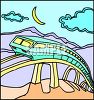
Unfortunately, my pitch for a Cheyenne monorail went down in flames. Probably a good thing considering Springfield's terrible experience with monorailism.
But Cheyenne did get some much-needed transportation help with a $400,000 grant to address the mess that is the I-25 & College Drive interchange. It's not a big stretch to imagine that Homer Simpson designed this interchange. It features three big truck stops, the Southeast Wyoming Welcome Center and a plethora of fast-food joints. More stuff is being built as part of the new business park. Down College Drive to the east are two of Cheyenne's four high schools (South and Triumph), several new housing developments, as well as the county's community college. To the west, a new road has been built to funnel construction traffic to the business park.
To be fair, most of the businesses sprang up after the interchange was built. Now it's time to play catch-up.
To get to almost anywhere from the I-25 on-ramps, you have to turn left without the benefit of traffic lights or even roundabouts. When you come up the ramp from I-25 South and want to turn left to Love's, you have to watch out for traffic turning left on to the interstate access ramp in front of you, AND for traffic exiting McDonald's or the rest area or the travel plaza headed across the viaduct to I-25 North. This wouldn't be too terrible if most of the traffic wasn't made up huge semis bearing windmill blades, oil field machinery and monorail parts for the recently announced Wheatland-to-Glendo Transportation Corridor (get more info from the good folks at Wheaterville -- tell them I sent you).
Add to the motorized confusion a recent influx of hobos. Not sure where they're coming from, but there is a new generation of hitchhikers and bindlestiffs. It's summer, and everyone is traveling. A lot of them seem to be running out of gas at the interchange. "Need gas money to get me and pregnant wife to Denver. God bless." I give money when I have it. Usually I am stopped behind 12 semis so have plenty of time to look under the seats for spare change. Another sign held by a guy in a nice suit: "Ran out of gas on way to job interview with Standard & Poors. Will accept major credit cards." I might have imagined that one. But not this one. The other day I saw a guy on the I-25 North on-ramp with this sign: "I-80 and Hawaii." He did look a bit like an aging surfer. I gave him creds for creativity. And creativity helps when you're trying to catch a ride. I still remember the hitchhiker I met in California in 1972. He carried a five-gallon gas tank which contained all of his worldly goods. "People more likely to stop if they think you've run out of gas," he said. He did admit that some motorists were not pleased at being duped but most went ahead and gave him a ride anyway. I have a soft spot for hitchhikers. I have a soft spot for anyone trying to get from one place to another without a vehicle.
But they are in the minority at Cheyenne's wacky interchange.
This week's announcement from U.S. Secretary of Transportation carried this wording about the Laramie County grant:
$400,000: Laramie County -- Improve traffic operations at Interstate 25/College Drive interchange in Cheyenne to reduce crashes.
This is always a worthy goal. I drive this interchange almost every day delivering my daughter to work at the Cheyenne Animal Shelter. It's convenient for me to travel I-25 from the north side of town. Convenient until I get to the College Drive interchange. I sometimes travel through downtown to Lincolnway and then over the railroad tracks to Southwest Drive and the Shelter. But most times the crossing is blocked by a half-dozen trains. I didn't realize there were than many tracks through Cheyenne. But apparently there are.
Cheyenne is a transportation hub. And we better start acting like it. Problem is, traffic in all forms is increasing. The Tea Party hates gubment and gubment takes care of the roads. Tea Partiers not only want no tax increases -- they want to cut taxes and strangle (or drown) gubment. It's possible they all flit around in autogyros. But even then, airports are crowded and we have a tiny, crowded, gubment-subsidized one in Cheyenne. Where will they park those autogyros?
One more thing. About half of the $6 million coming to WY in these recent grants go to non-motorized transportation projects in Teton, Sublette and Fremont counties. I've been a motorist for 44 years but a bicyclist longer than that. Now a lapsed cyclist (bad knees, lazy bones, etc.), I don't begrudge funding to bike paths and recreation trails. The one in Teton County is especially expensive but will bear much fruit, green-wise, as it will be used by millions of residents and tourists over the years. Yes, Teton County is disliked by many Wyomingites. But it is a huge economic driver and a benefit to the entire state. Three million tourists a year come annually to the national parks and many are taxed as they spend money in Jackson and Wilson and Teton Village. The airport is the best in the state and the roads are (mostly) in great shape. The road over Togwotee Pass to The Hole is being rebuilt this summer. Be prepared for delays!
One more thing. About half of the $6 million coming to WY in these recent grants go to non-motorized transportation projects in Teton, Sublette and Fremont counties. I've been a motorist for 44 years but a bicyclist longer than that. Now a lapsed cyclist (bad knees, lazy bones, etc.), I don't begrudge funding to bike paths and recreation trails. The one in Teton County is especially expensive but will bear much fruit, green-wise, as it will be used by millions of residents and tourists over the years. Yes, Teton County is disliked by many Wyomingites. But it is a huge economic driver and a benefit to the entire state. Three million tourists a year come annually to the national parks and many are taxed as they spend money in Jackson and Wilson and Teton Village. The airport is the best in the state and the roads are (mostly) in great shape. The road over Togwotee Pass to The Hole is being rebuilt this summer. Be prepared for delays!
You can read about these new grants at the Casper Star-Tribune
Monday, July 11, 2011
Every act of creativity negates an attempt to send humankind back to the Dark Ages
I am always astonished at the many ways people find to be creative.
Building bicycles that make smoothies, to name one small thing. I reported in early June about the "Upcycling 101" festival held in Casper. Local Gen-Y artist, performer and entrepreneur Betsy Bower transformed a cast-off kid's bike into a conveyance that also makes smoothies. She mounted a blender on a wooden platform on the rear bumper, ran a vertical axle to to the top of the rear tire, which drove the blender and made smoothies. Betsy also is taking old bikes and making them new with skills she learned at her father's welding business. Read the full post at http://hummingbirdminds.blogspot.com/2011/06/recycling-and-creativity-on-display-at.html
Meanwhile, our two Republican U.S, senators push for a "Save the Edison Light Bulb" bill that would negate energy-saving standards. What's the expression -- don't try to force your past on my future? Our Republican leaders want to turn back the clock and send us back to the horse-and-buggy days. One of these senators is younger than this blogger. Shame on you, college-educated Dr. Sen. John Barrasso, party hack.
So many innovative ideas out there powered by innovative thinkers.
This comes from Grist:
Here's another example, this by British land artist Chris Drury and his new installation at UW in Laramie: http://uwartmuseum.blogspot.com/2011/07/new-sculpture-installation-for.html
Meanwhile, our two Republican U.S, senators push for a "Save the Edison Light Bulb" bill that would negate energy-saving standards. What's the expression -- don't try to force your past on my future? Our Republican leaders want to turn back the clock and send us back to the horse-and-buggy days. One of these senators is younger than this blogger. Shame on you, college-educated Dr. Sen. John Barrasso, party hack.
So many innovative ideas out there powered by innovative thinkers.
This comes from Grist:
Passengers using a newly retrofitted light-rail station in downtown Phoenix, Ariz., can press a button to be showered in cool air, powered by solar energy and cold water from an efficient district cooling system. The system, which was inspired by similar installations in Dubai, uses solar power to run fans that blow cool air. The cool air itself comes from a system of chilled water that has been running in Phoenix's business district since 2001. It's called district cooling: A central plant run by NRG Thermal cools the water, which is then piped to nearby buildings to be used in lieu of less-efficient conventional air-conditioning systems. Car-free transport, distributed solar power, and district energy: It’s a triple play worthy of the Scandinavians, only it's happening in what would otherwise seem to be one of America's least sustainable cities. What is it about extreme conditions that turns desert communities [such as Phoenix and El Paso] into hotbeds of efficiency and innovation?So many other examples. I'll share them as I come across them, with an emphasis on Wyoming and the West, especially the big red states with regressive leaders. You know who you are.
Here's another example, this by British land artist Chris Drury and his new installation at UW in Laramie: http://uwartmuseum.blogspot.com/2011/07/new-sculpture-installation-for.html
Saturday, June 11, 2011
Wyoming doesn't have "forever" when it comes to rebuilding its infrastructure

He wants his home state to invest in its local communities. He wants the Legislature to treat the issue seriously. He wants all of us to speak out with one voice and say “Invest in Wyoming
Meanwhile, over at State Capitol’s House and Senate chambers, crickets chirp.
There’s nobody there now to listen. But the place was crowded last winter when Gov. Mead delivered his “State of the State” address. As he spoke of his plan for “Wyoming First!” investment, it was so quiet you could hear crickets chirp if they weren’t hibernating or doing whatever crickets do in February. The Gov was speaking to his people – 76 of 90 legislators are Republicans. They weren’t in the mood for any new initiatives, especially one that messed with the state’s severance tax structure.
The Gov’s proposal was fairly simple. Set aside one-half of 1 percent of the severance tax. Divide it into thirds. Use one-third for local communities, one-third for highways and one-third for savings. He wanted this in place for the foreseeable future – or for at least seven years in order to generate enough revenue.
“We need predictability of funds,” the Governor said. “I wanted it at least for seven years.”
“I go the National Governors’ Association convention and Wyoming Wyoming
He noted that the Legislature did approve $45 million more for local communities. Not insignificant but still far short of the needs.
“If you want healthy economic development, you must have infrastructure. I will work with WAM to make sure that our towns and counties are strong.”
He asked WAM attendees for support and ideas. He asked us to speak up with one voice when talking to lawmakers.
Remember this. Infrastructure is crucial. You cannot have a prosperous state without it. And keep this in mind: Wyoming
As the Gov said: “Invest now!”
Gov. Mead did not mention the arts specifically. But you can’t spell “infrastructure” with A-R-T-S. Just try to.
Wednesday, January 05, 2011
Winter Farmers' Market this Saturday at Depot
The next winter farmers' market will be held on Saturday, Jan. 8, 10 a.m.-2 p.m., inside the Historic Depot in downtown Cheyenne.
I was at the December market buying Christmas presents and assorted foodstuffs. Now that we're in January, it's time to look for seeds for the spring and, as always, assorted foodstuffs. Too early for most veggies. But there are breads and jams and meats and original art and handmade crafts.
Here's an overview:
FMI: Kim Porter, Farmers Market & Education Program Manager, Wyoming Business Council, 307.777.6319.
The Business Council is testing an online farmers' market for southeast Wyoming. Here's more info:
I was at the December market buying Christmas presents and assorted foodstuffs. Now that we're in January, it's time to look for seeds for the spring and, as always, assorted foodstuffs. Too early for most veggies. But there are breads and jams and meats and original art and handmade crafts.
Here's an overview:
Our vendors sell items that are produced in Wyoming or northern Colorado, but within 150 miles of Cheyenne. All items are produced by the vendors behind the tables, no food brokers are allowed. This is a fun indoor market with great energy and super vendors. Look for: PerrBear Chocolates, Bavarian pretzels, Black Forest Ham, beef, bison, lamb, chicken, duck and chicken eggs, take out Bar-B-Que, artisan breads, cookies, cakes, and much more.Not to to mention the schmoozing. Top-notch schmoozing at the winter farmer's' market.
FMI: Kim Porter, Farmers Market & Education Program Manager, Wyoming Business Council, 307.777.6319.
The Business Council is testing an online farmers' market for southeast Wyoming. Here's more info:
Triple Crown Commodities is an online farmers market focused on south-eastern Wyoming. This commodities cooperative offers a large variety of products ranging from free-range eggs to value-added products such as honey and pies. We also have a wide variety of naturally and organically raised pork and beef.Triple Crown Commodities allows you to buy local and buy fresh. Fresh local products offer peace of mind as well as healthy, nutritious choices. All products are raised locally so you know where your food came from, how it was handled, and who produced it. The online farmers’ market also allows for easy shopping — right from your computer, with the convenience of local distribution points.
Friday, November 26, 2010
City boy says: Let food freedom ring!
Today, I'm thinking about food.
No surprise. Yesterday was our annual eating extravaganza. I enjoyed Thanksgiving -- always do -- although I didn't do much beside cook two pies and take them to our friends' house where the rest of the goodies resided.
I didn't ask any annoying foodie questions, such as "were these sweet potatoes raised within 100 miles of Cheyenne?" That's the problem with foodies -- always asking annoying questions while we're trying to eat.
I ate some root crops: sweet potatoes, potatoes and onions. I ate wheat: dinner rolls, gravy and stuffing. I ate nuts: pecan topping on the mashed sweet potatoes. I ate turkey, of course, and cranberries. Green beans from the usual casserole. I ate apples and pumpkin in the pies. Olives.
Most of this could have been grown or raised in the general vicinity. Wyoming is known more for cattle and sheep than for its turkey ranching. But you could do it on a small scale. If not, maybe it's time to switch our local Thanksgivings to beef or lamb or elk or goose. You can get those locally. Alas, turkey is traditional and usually comes from big turkey farms located far away.
According to an article by Keith Goetzman in Utne Reader, more than 50 percent of Thanksgiving turkeys come from the Willmar Poultry Farm in Willmar, Minn. The Humane Society recently screened a video filmed secretly at the plant. Not a pretty picture. If you have the stomach for it, you can see it at http://www.utne.com/Politics/Where-Turkeys-Come-From.aspx.
Goetzman also recounts how meat-eaters and vegetarians square off across the Turkey Day table. He ends his piece by making a case for squash lasagna as a holiday main course.
Sounds good. My 17-year-old daughter, the vegetarian, would like it. So would I. But, alas, my daughter also likes the traditions of the day which include the succulent odors of cooking turkey. Good smells make good memories. And let's face it -- vegetarians have plenty of choices on the traditional table. Turkey and gravy are the only items that they can't eat. Dressing isn't stuffed into the bird any more and, if you don't add giblets to it, it's O.K. for vegetarians.
I strive to eat locally produced foods. My garden provides some during the warm season. It probably could provide more, according to the University of Wyoming Extension Service. And not by expanding my acreage. I could get additional growing time by taking advantage of my yard's microclimates. I also could invest in a small high tunnel or a small greenhouse. These people know their biz. They even have a magazine called Barnyards & Backyards which features farm/ranch/garden tips and interesting articles. You can subscribe by going to http://www.barnyardsandbackyards.com/.
A couple more food-related items. For one, I think it's time to invest in Community Supported Agriculture (CSA). We now have a half-dozen farms within 100 miles which offer CSAs. I've been putting off joining because I thought I could grow all of my own but that isn't possible. I was checking out the web page for Meadow Maid Foods in Yoder, which is in Goshen County. The Ridenour family grows natural veggies and raises grass-fed beef. I've bought veggies and beef at the farmer's market and all of it was great. Meadow Maid has also leaped on the agri-tourism bandwagon, with tours of the property and workshops. Some places, such as Grant Farms in Wellington, Colo., bring their CSA customers in to help plant and weed and harvest. Agri-tourism could join the ranks of ranches offering hands-on experiences in trail drives and branding. This trend could eventually be huge in rural Wyoming.
And then there's Wyoming Food Freedom. In its proposed legislation, terms such as agri-tourism and farmers' markets come up often. WFF proposes to do away with onerous state and federal regulations that prevents "informed consumers" buying directly from "trusted producers." I support this. In fact, I find it a place where libertarians and liberals can meet without yelling and screaming. WFF realizes that Big Ag products are making us sick. I want to buy more products from local farmers and ranchers. I want to spend less time at the grocery store. I'm not sure about this whole raw milk thing. That seems to be a big issue -- buying unpasteurized milk directly from small dairies. Some of the rhetoric around this issue harkens back to "poisoning of our precious bodily fluids" days. But there may be some truth in what the raw-milkers say.
Our family bought raw goat's milk from a local producer for years. It was great, but I don't drink much milk so, when our milk-consuming son moved away, we stopped getting it. But there are many who swear by the stuff. We also know that pathogens can breed in milk if it's not handled correctly.
Meanwhile, I'm going to support Rep. Sue Wallis and WFF. On its web site, WFF contends that freeing up food commerce can add a billion dollars worth of stimulation to the state's ag economy. It would really beef up rural areas hit hard in the past few decades. It also might regenerate family farms, which are disappearing fast.
At yesterday's dinner, a man my age -- a local pharmacist -- spoke about the small family farm he grew up in in Scotts Bluff County, Nebraska, which is just across the border from Goshen County, Wyoming. The family ran the farm until it grew too expensive. His parents both got jobs in town. They sold some of the land to the railroad. They leased out the rest. Pretty soon they weren't farming any more. He said that he loves the way he grew up but that it's almost impossible to do so now.
It should be possible. So says this city boy.
No surprise. Yesterday was our annual eating extravaganza. I enjoyed Thanksgiving -- always do -- although I didn't do much beside cook two pies and take them to our friends' house where the rest of the goodies resided.
I didn't ask any annoying foodie questions, such as "were these sweet potatoes raised within 100 miles of Cheyenne?" That's the problem with foodies -- always asking annoying questions while we're trying to eat.
I ate some root crops: sweet potatoes, potatoes and onions. I ate wheat: dinner rolls, gravy and stuffing. I ate nuts: pecan topping on the mashed sweet potatoes. I ate turkey, of course, and cranberries. Green beans from the usual casserole. I ate apples and pumpkin in the pies. Olives.
Most of this could have been grown or raised in the general vicinity. Wyoming is known more for cattle and sheep than for its turkey ranching. But you could do it on a small scale. If not, maybe it's time to switch our local Thanksgivings to beef or lamb or elk or goose. You can get those locally. Alas, turkey is traditional and usually comes from big turkey farms located far away.
According to an article by Keith Goetzman in Utne Reader, more than 50 percent of Thanksgiving turkeys come from the Willmar Poultry Farm in Willmar, Minn. The Humane Society recently screened a video filmed secretly at the plant. Not a pretty picture. If you have the stomach for it, you can see it at http://www.utne.com/Politics/Where-Turkeys-Come-From.aspx.
Goetzman also recounts how meat-eaters and vegetarians square off across the Turkey Day table. He ends his piece by making a case for squash lasagna as a holiday main course.
Sounds good. My 17-year-old daughter, the vegetarian, would like it. So would I. But, alas, my daughter also likes the traditions of the day which include the succulent odors of cooking turkey. Good smells make good memories. And let's face it -- vegetarians have plenty of choices on the traditional table. Turkey and gravy are the only items that they can't eat. Dressing isn't stuffed into the bird any more and, if you don't add giblets to it, it's O.K. for vegetarians.
I strive to eat locally produced foods. My garden provides some during the warm season. It probably could provide more, according to the University of Wyoming Extension Service. And not by expanding my acreage. I could get additional growing time by taking advantage of my yard's microclimates. I also could invest in a small high tunnel or a small greenhouse. These people know their biz. They even have a magazine called Barnyards & Backyards which features farm/ranch/garden tips and interesting articles. You can subscribe by going to http://www.barnyardsandbackyards.com/.
A couple more food-related items. For one, I think it's time to invest in Community Supported Agriculture (CSA). We now have a half-dozen farms within 100 miles which offer CSAs. I've been putting off joining because I thought I could grow all of my own but that isn't possible. I was checking out the web page for Meadow Maid Foods in Yoder, which is in Goshen County. The Ridenour family grows natural veggies and raises grass-fed beef. I've bought veggies and beef at the farmer's market and all of it was great. Meadow Maid has also leaped on the agri-tourism bandwagon, with tours of the property and workshops. Some places, such as Grant Farms in Wellington, Colo., bring their CSA customers in to help plant and weed and harvest. Agri-tourism could join the ranks of ranches offering hands-on experiences in trail drives and branding. This trend could eventually be huge in rural Wyoming.
And then there's Wyoming Food Freedom. In its proposed legislation, terms such as agri-tourism and farmers' markets come up often. WFF proposes to do away with onerous state and federal regulations that prevents "informed consumers" buying directly from "trusted producers." I support this. In fact, I find it a place where libertarians and liberals can meet without yelling and screaming. WFF realizes that Big Ag products are making us sick. I want to buy more products from local farmers and ranchers. I want to spend less time at the grocery store. I'm not sure about this whole raw milk thing. That seems to be a big issue -- buying unpasteurized milk directly from small dairies. Some of the rhetoric around this issue harkens back to "poisoning of our precious bodily fluids" days. But there may be some truth in what the raw-milkers say.
Our family bought raw goat's milk from a local producer for years. It was great, but I don't drink much milk so, when our milk-consuming son moved away, we stopped getting it. But there are many who swear by the stuff. We also know that pathogens can breed in milk if it's not handled correctly.
Meanwhile, I'm going to support Rep. Sue Wallis and WFF. On its web site, WFF contends that freeing up food commerce can add a billion dollars worth of stimulation to the state's ag economy. It would really beef up rural areas hit hard in the past few decades. It also might regenerate family farms, which are disappearing fast.
At yesterday's dinner, a man my age -- a local pharmacist -- spoke about the small family farm he grew up in in Scotts Bluff County, Nebraska, which is just across the border from Goshen County, Wyoming. The family ran the farm until it grew too expensive. His parents both got jobs in town. They sold some of the land to the railroad. They leased out the rest. Pretty soon they weren't farming any more. He said that he loves the way he grew up but that it's almost impossible to do so now.
It should be possible. So says this city boy.
Sunday, October 03, 2010
Denver developer/preservationist Dana Crawford to address "Partnerships for Preservation" conference
Just in the past year, many exciting things have been happening to renew Cheyenne's downtown. The Depot and its outdoor plaza have brought life to downtown on summer weekends with concerts, a farmer's market and various events inside the Depot. Just recently, local organizers launched the Lights On! project to turn the main floor of the Hynds Building into an arts center. City planners are still pondering downtown's big hole, hoping that inspiration will strike.
Here's another event, geared mainly toward preservation of historic areas (including downtown):
FMI: http://www.cvent.com/EVENTS/Info/Agenda.aspx?e=abc3372d-1d90-4e17-a236-af305b712d88
Here's another event, geared mainly toward preservation of historic areas (including downtown):
"Buildings, Business & Bankers - Partnerships for Preservation"RSVP by Oct. 6.
Buildings, Businesses, and Bankers - these are the keys to achieving our collective vision for historic areas in our communities. The mission of this conference is to bring together the best from each of these realms to advance momentum for community development and preservation.
Featuring award-winning preservationist Dana Crawford and community marketing and branding specialist Ben Muldrow.
Join us and be part of the movement!
Wednesday, October 13, 4:30 p.m., through Friday, October 15, 2 p.m., at the Historic Plains Hotel, 1600 Central Avenue, Cheyenne.
FMI: http://www.cvent.com/EVENTS/Info/Agenda.aspx?e=abc3372d-1d90-4e17-a236-af305b712d88
Saturday, September 25, 2010
GOP pledges to turn back the clock to 2008... or 1958.. or is that 1848?
"Tomorrow, my health insurance will suck less."
That was Rachel Maddow on her Wednesday evening show.
On Thursday, Sept. 23, all our health insurance policies now suck less. That's when some of the provisions in the health reform legislation we fought so hard for kicked in. You can find all the details at http://my.barackobama.com/page/content/benefitsofreform?source=issues.
You can call it Obamacare if you want. The Republicans do this in the form of a curse. Every time they utter the name "Obama" it's in the form of a curse. They have been programmed to do this by Fox, or maybe the Tea Party, or maybe their tiny little minds can do nothing else. The Republican lexicon now consists of very few words that matter.
Which brings me to the Republican "A Pledge to America," released on the same exact day that our insurance plans began to suck less. This is the day that the Republican Party platform began to suck even more and, possibly, stink to high heaven.
"Repeal Obamacare." You probably saw that one. You can translate that any way you want to. I choose to think it sends this message to the Republican Pod People: "Scary black man from Kenya with Muslim origins and no birth certificate still wants to kill grandma! And you too! And billions of unborn white conservative babies!"
Repubs pledge to make the rich even richer than you and me by keeping George W. Bush's tax cuts. This past week, Forbes Magazine released its list of the 400 weathiest Americans. Their wealth, combined, is $1.37 trillion. I don't know about you, but this is a little more than the net worth of me and my closest 399 friends. These richy-rich folks are whining that a return to a reasonable 39 percent tax bracket will stifle American ingenuity and cause them to hire fewer employees. They shall be forced to sleep under bridges and beg for crusts of bread on the streets.
All nonsense, of course. Pres. Bush paid back his rich cronies when he and Congress (Democrats too!) passed these tax cuts and then waged two wars with less tax money than before and ran up a huge deficit.
In its pledge, the GOP vows to "roll the government back to 2008 levels." What the GOP won't have to do it roll back Pentagon spending to 2008 levels because that would be a decrease in spending. To the GOP, defense spending is sacrosanct. So repubs plan to "freeze stimulus spending and impose hard limits on future spending."
Will they do that with Pentagon spending too? No, due to the fact that they don't hate the troops but the Democrats do. This is sometimes just implied by Repubs but often they say it out loud.
Wyoming's Rep. Cynthia Lummis made this statement on Thursday:
"While people in Wyoming and people all over the country have been speaking out, those in power have carried out a job-killing, budget-busting agenda. The wishes of the American people have been blatantly and repeatedly disregarded."
Wyoming is a one-party Red State. It's lone rep and two senators are all GOPers now, as usual. When they speak about "the people of Wyoming," they're thinking of their conservative base, which is almost everyone they know. Those "speaking out" the past year are the Tea Party fringe. When they speak out, the GOP listens. Many Liberals wonder: "Huh?" I've been to Tea Party rallies and have asked that question many times.
At its Sept. 8-9 meeting in Buffalo, the state legislative committee pledged to vote in December on a bill to establish a $2 million "litigation account" to pay for "legal challenges to portions of the new national health care reform law." This was reported Friday in the Casper Star-Tribune. Republican Sen. Charles Scott of Casper wrote the bill. He says that "Obamacare" will result in higher costs in Wyoming.
There's that scary word again. Scott contends that "Obamacare" is an extreme far-left bill. That tickles many of us Progressives who actually wanted a single-payer system. Health reform was a compromise. But Repubs always think they are the only ones who should have a say and they whine when they are forced to compromise. They have very little practice doing this, as "No" and "Hell No" are their favorite terms.
So, the Wyoming people have spoken. "Stop the scary black man in Washington, D.C. He wants to kill Grandma and take away her guns! And he wants to make rich people less rich! UnAmerican!"
That was Rachel Maddow on her Wednesday evening show.
On Thursday, Sept. 23, all our health insurance policies now suck less. That's when some of the provisions in the health reform legislation we fought so hard for kicked in. You can find all the details at http://my.barackobama.com/page/content/benefitsofreform?source=issues.
You can call it Obamacare if you want. The Republicans do this in the form of a curse. Every time they utter the name "Obama" it's in the form of a curse. They have been programmed to do this by Fox, or maybe the Tea Party, or maybe their tiny little minds can do nothing else. The Republican lexicon now consists of very few words that matter.
Which brings me to the Republican "A Pledge to America," released on the same exact day that our insurance plans began to suck less. This is the day that the Republican Party platform began to suck even more and, possibly, stink to high heaven.
"Repeal Obamacare." You probably saw that one. You can translate that any way you want to. I choose to think it sends this message to the Republican Pod People: "Scary black man from Kenya with Muslim origins and no birth certificate still wants to kill grandma! And you too! And billions of unborn white conservative babies!"
Repubs pledge to make the rich even richer than you and me by keeping George W. Bush's tax cuts. This past week, Forbes Magazine released its list of the 400 weathiest Americans. Their wealth, combined, is $1.37 trillion. I don't know about you, but this is a little more than the net worth of me and my closest 399 friends. These richy-rich folks are whining that a return to a reasonable 39 percent tax bracket will stifle American ingenuity and cause them to hire fewer employees. They shall be forced to sleep under bridges and beg for crusts of bread on the streets.
All nonsense, of course. Pres. Bush paid back his rich cronies when he and Congress (Democrats too!) passed these tax cuts and then waged two wars with less tax money than before and ran up a huge deficit.
In its pledge, the GOP vows to "roll the government back to 2008 levels." What the GOP won't have to do it roll back Pentagon spending to 2008 levels because that would be a decrease in spending. To the GOP, defense spending is sacrosanct. So repubs plan to "freeze stimulus spending and impose hard limits on future spending."
Will they do that with Pentagon spending too? No, due to the fact that they don't hate the troops but the Democrats do. This is sometimes just implied by Repubs but often they say it out loud.
Wyoming's Rep. Cynthia Lummis made this statement on Thursday:
"While people in Wyoming and people all over the country have been speaking out, those in power have carried out a job-killing, budget-busting agenda. The wishes of the American people have been blatantly and repeatedly disregarded."
Wyoming is a one-party Red State. It's lone rep and two senators are all GOPers now, as usual. When they speak about "the people of Wyoming," they're thinking of their conservative base, which is almost everyone they know. Those "speaking out" the past year are the Tea Party fringe. When they speak out, the GOP listens. Many Liberals wonder: "Huh?" I've been to Tea Party rallies and have asked that question many times.
At its Sept. 8-9 meeting in Buffalo, the state legislative committee pledged to vote in December on a bill to establish a $2 million "litigation account" to pay for "legal challenges to portions of the new national health care reform law." This was reported Friday in the Casper Star-Tribune. Republican Sen. Charles Scott of Casper wrote the bill. He says that "Obamacare" will result in higher costs in Wyoming.
There's that scary word again. Scott contends that "Obamacare" is an extreme far-left bill. That tickles many of us Progressives who actually wanted a single-payer system. Health reform was a compromise. But Repubs always think they are the only ones who should have a say and they whine when they are forced to compromise. They have very little practice doing this, as "No" and "Hell No" are their favorite terms.
So, the Wyoming people have spoken. "Stop the scary black man in Washington, D.C. He wants to kill Grandma and take away her guns! And he wants to make rich people less rich! UnAmerican!"
Tuesday, August 31, 2010
Oil making big "play" in Laramie County

Niobrara Shale -- the blob that ate Laramie County. Map from the Unconventional Gas Center web site.
That’s about to change. The oil rush is on in Laramie County. This past spring and summer, I’d read in the paper that leases for the Niobrara Formation were selling like hotcakes. A couple million here, a few million there. Serious money was changing hands – around $90 million -- some of it (and I hope it’s a lot) going into state coffers.
The drilling has begun. Near Carpenter, new high-tech pumping stations stick their straws into the earth, drilling down and then under and over to taste some of that sweet, sweet crude. The oil is sucked out of the ground and put it into storage tanks. You can see them if you drive south on Campstool Road. We’re used to industrial-looking stuff sticking out of the prairie – nuclear missile sites, old-fashioned oil wells, windmills (the new huge wind power kind and the old-fashioned kind), cell towers, etc. But soon, 21st century oil wells will be everywhere.
Last night at the Laramie County Democrats’ meeting at the IBEW Hall, County Commissioner Jeff Ketcham was handing out flyers for the “Southeast Wyoming Oil Shale Seminar.” The first meeting is Tuesday, Aug. 31 (tonight!), 6-8 p.m., at the Laramie County School District No. 1 Administration Building Auditorium in Cheyenne.
“Learn and converse about the Niobrara Oil Play and how it may affect us.”I meant to ask Jeff to define “oil play” but didn’t get the chance. I was too busy listening to some of the impacts already happening in the county. But here’s what I found out at the Unconventional Gas Center site at http://www.ugcenter.com/:
The Niobrara has the potential to be the industry’s next large oil-shale resource play. Niobrara shales are prevalent throughout the Rocky Mountain region. A thick and continuous Cretaceous source rock, the Niobrara is rich in organics and thermally mature.I hate to brag, but this sounds like me: “rich in organics and thermally mature.” Maybe I should change my name to Michael Shale.
I still don’t know what a “play” is. More research needed.
Jeff said that there were four voice messages calls waiting for him when he got to work the other day. All were complaining and dust and traffic on the county’s rural roads. And this is just after a few wells. Imagine what it will be like in a few years.
Gary Roadifer, running for the seat in House District 10, said that his town of Pine Bluffs already is home to seven man camps. Man camps, in case you don’t know, are barracks or RV campgrounds that house the people working at the sites. I tried to imagine seven man camps in a small town such as Pine (as the locals call it). That really has to impact a place. Gary quipped that the town’s only café has gone from $3 meals to $16 meals. That’s a whopping increase – you could buy three BK Whopper meals for this price. If there was a BK in PB.
“Discussion highlights” for tonight’s meeting:Big topics all. I’m looking forward to soaking up all the info, including the meaning of “oil play.”
- Technical background: geology, technology, and process/time line
- Industry needs: physical and employment
- Environmental concerns
- Planning for socio-economic impact
Q: Can Oil come out and play?
A: Not today, son – he’s slick in bed.
Get it? Better not tell that one on the Gulf Coast.
Two more of these meetings are scheduled for Torrington and Wheatland, both on Wednesday. More info available from Anja Bendel, High Plains Economic Development District, 307-331-0012; anja.bendel@gmail.com
Saturday, August 21, 2010
Turns on the lights -- the party's just starting
Here is a very creative (dare we say "arty") video by Alan O'Hashi. The corner of Capitol Avenue and Lincolnway (16th Street) in Cheyenne captured by Scott Eckburg during the Wyoming Plein Air "Quick Draw" event. The Hynds Building is shown on the left in Scott's painting.
His work is melded with "before" interior views of the Historic Hynds Building set to open for the first time in 24 years on September 24.
Buy tickets for the Night D'Light Champagne and Dessert Reception on line at http://lightsonhynds.eventbrite.com/
One has to wonder why a solid brick building such as the Hynds -- located in a prime downtown location -- was empty for 24 years. Yes, we are thankful to have the building put to such a fine use. It could be the catalyst for a downtown arts revival. Hats off to Brian Haberman and Rebecca Barrett (Link Gallery) and the new Cheyenne Arts Council and Alan O'Hashi and the Wyoming Cultural Trust and other visionaries. I know it's a cliche, but "it takes a village." And wily entrepreneurs. And, yes, government funding. Than darn gubment.
Tuesday, April 06, 2010
In praise of indie bookstores supporting local authors in Rocky Mountain states
Hummingbirdminds saw this post on the Rocky Mountain Authors at the Tattered Cover Facebook page. While it was written with Colorado authors in mind, I think it can easily be revised to reflect an interest in writers from a Big Square State other than Colorado.
Here's my revised version:
Other states in the Rocky Mountain West may want to do some customizing of their own. What say you Montana and New Mexico and Utah and Arizona and Idaho?
Now go investigate other regional writers at http://www.facebook.com/#!/pages/Denver-CO/Rocky-Mountain-Authors-at-the-Tattered-Cover/351469358952?ref=nf
I noticed a very fine section of Rocky Mountain writers (past and present) during a visit last week to Lander's Book Basket on Main Street. I know that the bookstore disguised as a barn at Sweetwater Junction packs plenty of heat by local and regional writers. I didn't stop there during my recent trip due to the fact that I couldn't see the turnoff in the blizzard. I could go on and on about fantastic bookstores in unexpected places. You can find a long list at the Mountains & Plains Independent Booksellers Association page.
Here's my revised version:
There are lots of good reasons to read work by local Rocky Mountain authors. Here are a few, and feel free to add your own good reasons to this list!
1. Buying a book by a local author from your local Tattered Cover Book Store helps to keep money in the State ofColoradoWyoming, instead of sending it off around the country whereColoradoWyoming residents can't benefit from sales taxes or business incentives. Money spent inColoradoWyoming, ONColoradoWyoming, STAYS inColoradoWyoming.
2. By supporting local authors, you help diversify the knowledge that can be distributed through the written word in the Rocky Mountain region. We write lots of books here in the Rockies that can be found nowhere else on Earth (except perhaps online on the Tattered Cover website! http://www.tatteredcover.com/).
3. When you buy a local author's book, you are helping to nurture the artistic and intellectual community ofColoradoWyoming. Studies show that great cities and great communities are great not because of their technology or industry, but because of their arts and cultural offerings. Every time you buy a locally written book you add another brick to the cultural palace of the Rocky Mountains!
Other states in the Rocky Mountain West may want to do some customizing of their own. What say you Montana and New Mexico and Utah and Arizona and Idaho?
Now go investigate other regional writers at http://www.facebook.com/#!/pages/Denver-CO/Rocky-Mountain-Authors-at-the-Tattered-Cover/351469358952?ref=nf
I noticed a very fine section of Rocky Mountain writers (past and present) during a visit last week to Lander's Book Basket on Main Street. I know that the bookstore disguised as a barn at Sweetwater Junction packs plenty of heat by local and regional writers. I didn't stop there during my recent trip due to the fact that I couldn't see the turnoff in the blizzard. I could go on and on about fantastic bookstores in unexpected places. You can find a long list at the Mountains & Plains Independent Booksellers Association page.
Saturday, March 20, 2010
Who is "America's Greatest Unknown Writer?"
As a kid, I read everything in my path: books, comics, newspapers, newspaper inserts, cereal boxes, billboards, etc.
I'm one of those guys who accepts flyers from people on street corners. Never know when I might get a story out of some religious tract or political broadside or a come-on for aluminum siding. I also read my junk mail for the same reason. And for curiosity's sake.
Now I spend untold hours jumping from web link to web link to discover interesting and potentially useless information.
Combing through Daily Kos this morning, I came across a link to today's U.S. House floor schedule. The link took me to The Daily Leader on House Majority leader Steny Hoyer's home page. I figured that it would be loaded with items about health care reform legislation.
Instead, I got a reading tip about a writer I've never heard of.
Here are details about House Resolution 1040: "Honoring the life and accomplishments of Donald Harington for his contributions to literature in the United States."
The text (from http://democraticleader.house.gov/links_and_resources/whip_resources/dailyleader.cfm):
Whereas Donald Douglas Harington was born on December 22, 1935, in Little Rock, Arkansas;
Whereas at age 6, he attempted to write his first novel, `The Adventures of Duke Doolittle';
Whereas at age 12, Harington contracted meningococcal meningitis and as a result lost most of his hearing;
Whereas Harington graduated from the University of Arkansas with a bachelor's degree in art in 1956, a master's degree in printmaking in 1959, and from Boston University with a master's degree in art history in 1959;
Whereas Harington taught art history at Bennett College in Millbrook, New York, from 1960 to 1962, and at Windham College in Putney, Vermont, from 1964 to 1978;
Whereas Harington had short-term teaching appointments at the University of Missouri Rolla, the University of Pittsburg, and South Dakota State, and taught art history at the University of Arkansas from 1986 until he retired in 2008;
Whereas Harington's first novel, `The Cherry Pit', was published in 1965 and over the course of his literary career he also published `Lightning Bug' (1970), `Some Other Place. The Right Place' (1972), `The Architecture of the Arkansas Ozarks' (1975), `Let Us Build Us a City: Eleven Lost Towns' (1986), `The Cockroaches of Stay More' (1989), `The Choiring of the Trees' (1991), `Ekaterina' (1993), `Butterfly Weed' (1996), `When Angels Rest' (1998), `Thirteen Albatrosses (or, Falling off the Mountain)' (2002), `With' (2003), `The Pitcher Shower' (2005), `Farther Along' (2008), and `Enduring' (2009);
Whereas in 1999, Harington was inducted into the Arkansas Writers' Hall of Fame;
Whereas in 2003, Harington won the Robert Penn Award for Fiction, and in 2006 received the first lifetime achievement award for Southern literature from Oxford American magazine;
Whereas writer Kevin Brockmeier expressed that `the signal feature of Donald Harington's novels is their tremendous liveliness. His books are not blind to suffering, featuring as they do murder, poverty, kidnapping, loss, and betrayal. Yet the mood of his stories is overwhelmingly one of celebration. He extends his sympathies so widely that even the trees and the hills, the insects and the animals, the criminals and the ghosts seem to sing with the joy of existence. He brings a tenderness and a brio to the page that prevents his characters from sinking beneath the weight of their troubles, and one finishes his books above all else with an impression of a robust, loving comic energy. You feel as if you have been immersed in life, both your own life and the particular lives of his characters, and that life, for all its misfortunes, is a pretty good place to be';
Whereas Entertainment Weekly called Harington `America's greatest unknown writer';
Whereas Harington was described in the Washington Post as `one of the most powerful, subtle, and inventive novelists in America';
Whereas Harington once said that his philosophy of writing was that literature, that all art, is an escape from the world that makes the world itself, when you return to it, more magical, bearable, or understandable; and
Whereas, on November 7, 2009, at age 73, Harington died in Springdale, Arkansas, from complications of pneumonia: Now, therefore, be it
Resolved, That the House of Representatives honors the life and accomplishments of Donald Harington for his contributions to literature in the United States.
It's difficult to know who should get the honors for "America's greatest unknown writer." There are so many good writers in every corner of the country. Many are known locally or even regionally. Not sure if they all deserve renown. But I do know that they deserve a larger readership.
A modest proposal: Next time you're at the local library, seek out a book by an "unknown writer." This works for bookstores, too, especially those where you can grab a few titles and read the first chapter over a latte in the cafe. Take a crack at the book. It may not be your cup of coffee, but you won't know until you absorb a few pages. I've read some cool novels this way. Here are a few whose titles I remember: "Q Road" by Bonnie Jo Campbell; "When Bobby Kennedy Was a Moving Man" by David Boudinot; and "Gil's All Fright Diner" by A. Lee Martinez (just heard that it's being turned into an animated film). I may have been attracted by the titles or covers -- or both. I probably said to myself "This looks interesting." I know that I read a bit before I checked them out of the library or plucked down money at the bookstore.
It's a crap shoot, isn't it? Writers write the books, publishers publish the books and bookstores and libraries stock the books. New books don't get much shelf life at the stores these days. But almost all bookstores feature work by regional writers. Just sidle up to one of the clerks and ask "Who is Wyoming's (or Utah's or Mississippi's) greatest unknown writer?" And then: "Do you have any of his/her/its books?" This may stump the bookstore employee, as not all of them are as curious about literature as you are. But keep asking -- one of them will take the bait, maybe even view it as a challenge.
Then read, and keep on reading until you find that book that speaks to you.
I'm one of those guys who accepts flyers from people on street corners. Never know when I might get a story out of some religious tract or political broadside or a come-on for aluminum siding. I also read my junk mail for the same reason. And for curiosity's sake.
Now I spend untold hours jumping from web link to web link to discover interesting and potentially useless information.
Combing through Daily Kos this morning, I came across a link to today's U.S. House floor schedule. The link took me to The Daily Leader on House Majority leader Steny Hoyer's home page. I figured that it would be loaded with items about health care reform legislation.
Instead, I got a reading tip about a writer I've never heard of.
Here are details about House Resolution 1040: "Honoring the life and accomplishments of Donald Harington for his contributions to literature in the United States."
The text (from http://democraticleader.house.gov/links_and_resources/whip_resources/dailyleader.cfm):
Whereas Donald Douglas Harington was born on December 22, 1935, in Little Rock, Arkansas;
Whereas at age 6, he attempted to write his first novel, `The Adventures of Duke Doolittle';
Whereas at age 12, Harington contracted meningococcal meningitis and as a result lost most of his hearing;
Whereas Harington graduated from the University of Arkansas with a bachelor's degree in art in 1956, a master's degree in printmaking in 1959, and from Boston University with a master's degree in art history in 1959;
Whereas Harington taught art history at Bennett College in Millbrook, New York, from 1960 to 1962, and at Windham College in Putney, Vermont, from 1964 to 1978;
Whereas Harington had short-term teaching appointments at the University of Missouri Rolla, the University of Pittsburg, and South Dakota State, and taught art history at the University of Arkansas from 1986 until he retired in 2008;
Whereas Harington's first novel, `The Cherry Pit', was published in 1965 and over the course of his literary career he also published `Lightning Bug' (1970), `Some Other Place. The Right Place' (1972), `The Architecture of the Arkansas Ozarks' (1975), `Let Us Build Us a City: Eleven Lost Towns' (1986), `The Cockroaches of Stay More' (1989), `The Choiring of the Trees' (1991), `Ekaterina' (1993), `Butterfly Weed' (1996), `When Angels Rest' (1998), `Thirteen Albatrosses (or, Falling off the Mountain)' (2002), `With' (2003), `The Pitcher Shower' (2005), `Farther Along' (2008), and `Enduring' (2009);
Whereas in 1999, Harington was inducted into the Arkansas Writers' Hall of Fame;
Whereas in 2003, Harington won the Robert Penn Award for Fiction, and in 2006 received the first lifetime achievement award for Southern literature from Oxford American magazine;
Whereas writer Kevin Brockmeier expressed that `the signal feature of Donald Harington's novels is their tremendous liveliness. His books are not blind to suffering, featuring as they do murder, poverty, kidnapping, loss, and betrayal. Yet the mood of his stories is overwhelmingly one of celebration. He extends his sympathies so widely that even the trees and the hills, the insects and the animals, the criminals and the ghosts seem to sing with the joy of existence. He brings a tenderness and a brio to the page that prevents his characters from sinking beneath the weight of their troubles, and one finishes his books above all else with an impression of a robust, loving comic energy. You feel as if you have been immersed in life, both your own life and the particular lives of his characters, and that life, for all its misfortunes, is a pretty good place to be';
Whereas Entertainment Weekly called Harington `America's greatest unknown writer';
Whereas Harington was described in the Washington Post as `one of the most powerful, subtle, and inventive novelists in America';
Whereas Harington once said that his philosophy of writing was that literature, that all art, is an escape from the world that makes the world itself, when you return to it, more magical, bearable, or understandable; and
Whereas, on November 7, 2009, at age 73, Harington died in Springdale, Arkansas, from complications of pneumonia: Now, therefore, be it
Resolved, That the House of Representatives honors the life and accomplishments of Donald Harington for his contributions to literature in the United States.
It's difficult to know who should get the honors for "America's greatest unknown writer." There are so many good writers in every corner of the country. Many are known locally or even regionally. Not sure if they all deserve renown. But I do know that they deserve a larger readership.
A modest proposal: Next time you're at the local library, seek out a book by an "unknown writer." This works for bookstores, too, especially those where you can grab a few titles and read the first chapter over a latte in the cafe. Take a crack at the book. It may not be your cup of coffee, but you won't know until you absorb a few pages. I've read some cool novels this way. Here are a few whose titles I remember: "Q Road" by Bonnie Jo Campbell; "When Bobby Kennedy Was a Moving Man" by David Boudinot; and "Gil's All Fright Diner" by A. Lee Martinez (just heard that it's being turned into an animated film). I may have been attracted by the titles or covers -- or both. I probably said to myself "This looks interesting." I know that I read a bit before I checked them out of the library or plucked down money at the bookstore.
It's a crap shoot, isn't it? Writers write the books, publishers publish the books and bookstores and libraries stock the books. New books don't get much shelf life at the stores these days. But almost all bookstores feature work by regional writers. Just sidle up to one of the clerks and ask "Who is Wyoming's (or Utah's or Mississippi's) greatest unknown writer?" And then: "Do you have any of his/her/its books?" This may stump the bookstore employee, as not all of them are as curious about literature as you are. But keep asking -- one of them will take the bait, maybe even view it as a challenge.
Then read, and keep on reading until you find that book that speaks to you.
Subscribe to:
Posts (Atom)